 Lokomotiva Zagreb Hub
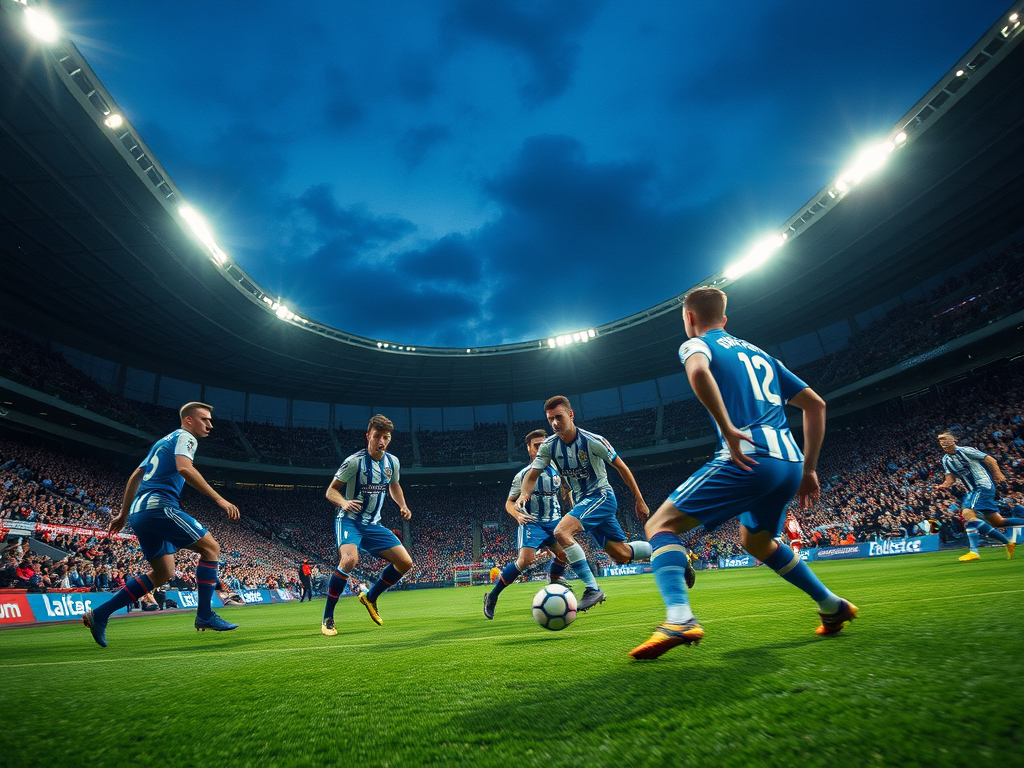
In the 2013/2014 season, Lokomotiva Zagreb, known for their tenacity and young talents, made an incredible leap onto the European stage. Through the qualifications for the Europa League, Lokosi faced challenges but showed remarkable resilience and team chemistry.
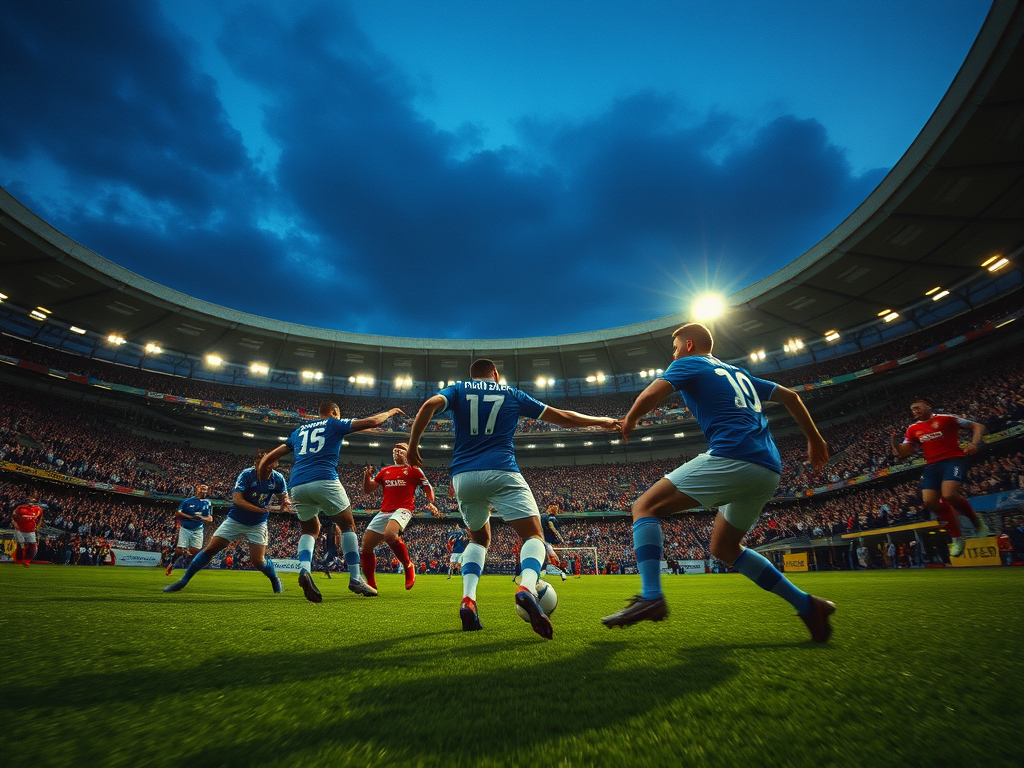
The key turning point came in September 2014 when they faced FC Copenhagen. In the return leg, Lokomotiva performed exceptionally on home soil, pressuring their opponents throughout the match. This victory opened a historic opportunity for them to advance to the group stage of the competition.
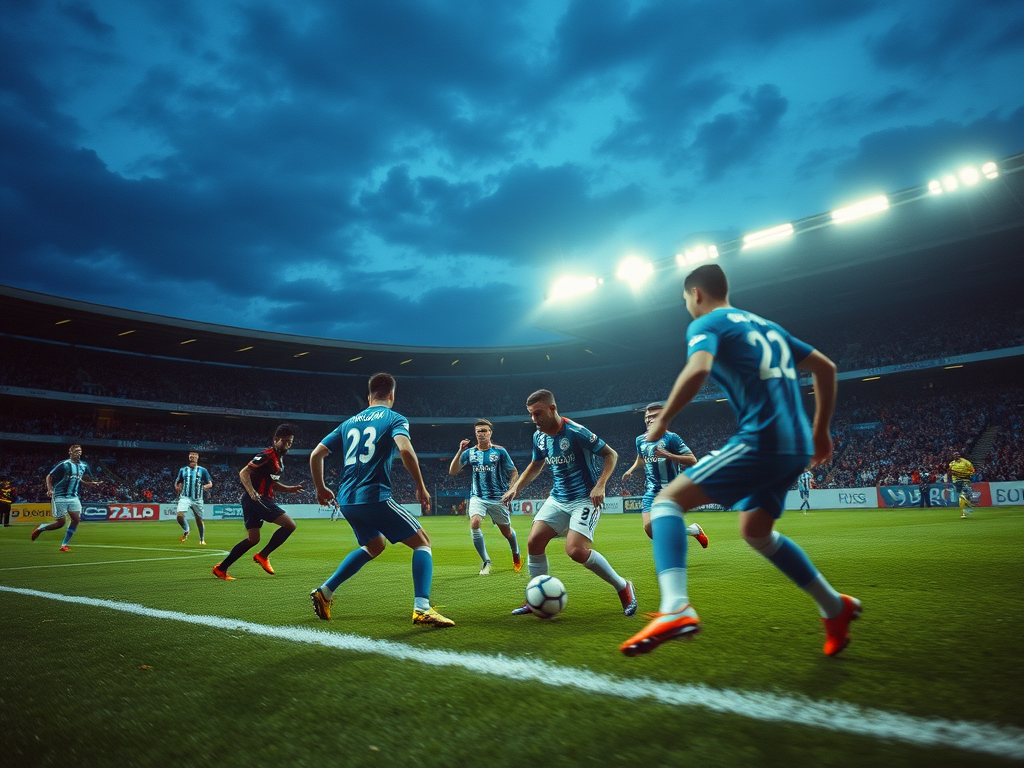
In the group stage, Lokosi faced tough opponents like Fiorentina, PAOK, and Gabrone. Although they were in a challenging group, they played bravely and passionately. While they did not progress further, their performance left a strong impression and demonstrated that they could compete with the strongest European teams.
This European adventure was crucial for player development, as they gained invaluable experiences that shaped their future careers. Many of these young players, like Domagoj Pavičić and Andrej Kramarić, later became key players in their new clubs and national teams.
The history of Lokomotiva Zagreb is not just about trophies, but also about moments that shape the club's identity. The European season of 2014 was one of those moments – proof that Lokosi, although perhaps not the most famous club in Croatia, have the potential and passion for success on the biggest stage.