 Lokomotiva Zagreb Hub
In recent matches, Lokomotiva Zagreb, known as Lokosi, has faced challenges in maintaining a balance between attack and defense. The coach has often experimented with formations, but players seem occasionally confused in their roles, resulting in missed opportunities and a lack of organization on the pitch.
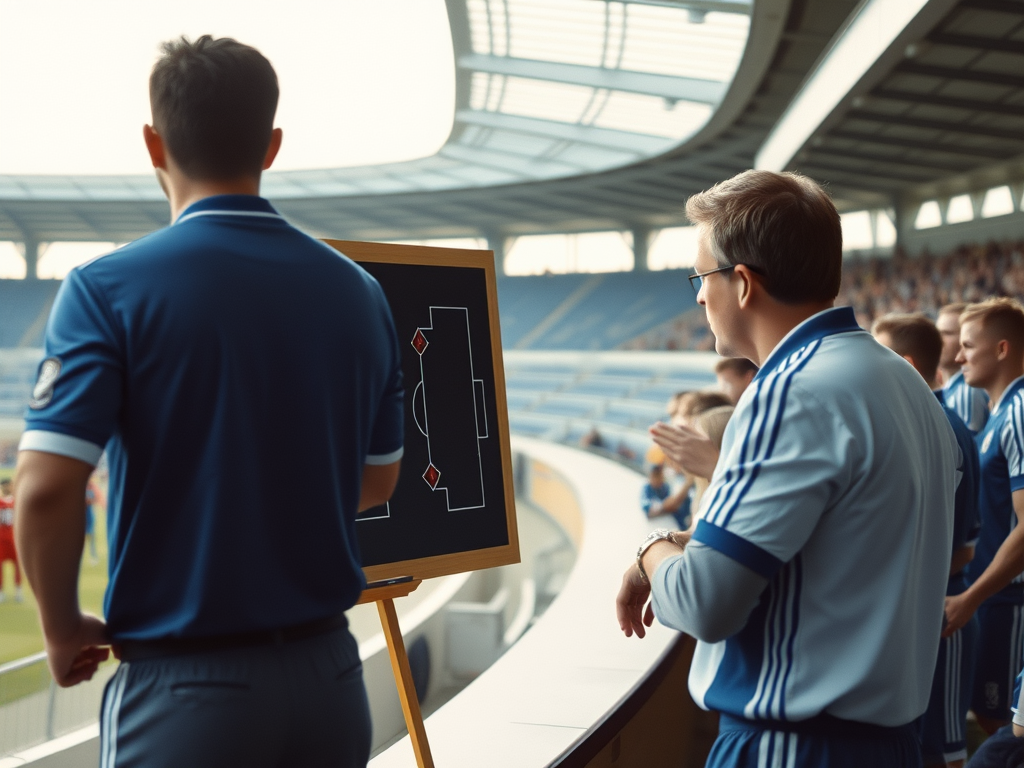
One key change that Lokomotiva should consider is shifting to a 4-2-3-1 formation, which allows better protection for the defense while providing support for attackers. This formation can help maintain control of the midfield, where Lokosi frequently lose battles. Two defensive midfielders can create an additional layer of protection, while the attacking trio in front of them can leverage speed and creativity to generate chances.
In addition to changing the formation, it is crucial to implement adjustments in ball play. Lokomotiva should work on shorter, quicker passes to retain possession and build play from the back. Too many long balls often lead to loss of possession, giving opponents opportunities for counterattacks. This style of play also requires more off-the-ball movement, where players need to be more active in creating space for one another.
Defensively, Lokosi should pay attention to the positioning of their full-backs. It often happens that the wide players are too far forward, leaving large gaps that opponents can exploit. Deploying one of the full-backs as a “swing” player, who will drop into the center when the team loses possession, can help maintain stability. This tactical adjustment would allow the team to reorganize more quickly after losing the ball.
Lastly, it is important for players to maintain a high level of confidence. In moments when the result isn’t going their way, mental toughness can be crucial. The coach should work on strengthening team cohesion through additional drills and similar activities to make players feel connected and motivated.
Taking all these aspects into account, Lokomotiva Zagreb can lay the groundwork for a more stable and effective gameplay. These changes will not only help address current challenges but also create a long-term strategy for success in both domestic and European competitions.